
How long does cocaine stay in your system? It’s a question that often comes with urgency—maybe you’re facing a drug test, worried about recent use, or trying to support someone you care about. The reality is, cocaine may produce a fast and intense high, but its presence in your body can outlast the buzz by days, sometimes even weeks.
And the answer isn’t as straightforward as you might think.
From the type of drug test used, to how much and how often the drug was taken, to your liver function and overall health—dozens of factors influence how long cocaine and its metabolites remain detectable.
In this article, we’ll break down the science of cocaine metabolism, walk you through the detection windows of four common tests, and uncover what really impacts how long the drug lingers in your body. We’ll also explore why professional detox and evidence-based treatment are essential—not just for passing a drug screen, but for reclaiming your life.
Let’s get started.
When asking how long does cocaine stay in your system, it’s important to first understand how the body processes the drug. Once cocaine enters your system—whether it’s snorted, smoked (as crack cocaine), injected, or swallowed—it moves rapidly through the bloodstream and into the brain. The high might be short-lived, but behind the scenes, your body is already at work trying to break it down.
If you’ve ever searched how long does cocaine stay in your system, you’re not alone—this is one of the most commonly asked questions in both medical and recovery circles.
The half-life of cocaine is around 1 hour, meaning your body eliminates half the amount of cocaine in that time. But here’s the kicker—your system then breaks it down into metabolites like benzoylecgonine and ecgonine methyl ester, which stick around much longer and are what most drug tests actually detect.
Let’s take a closer look at the different drug testing methods and exactly how long does cocaine stay in your system depending on the approach.
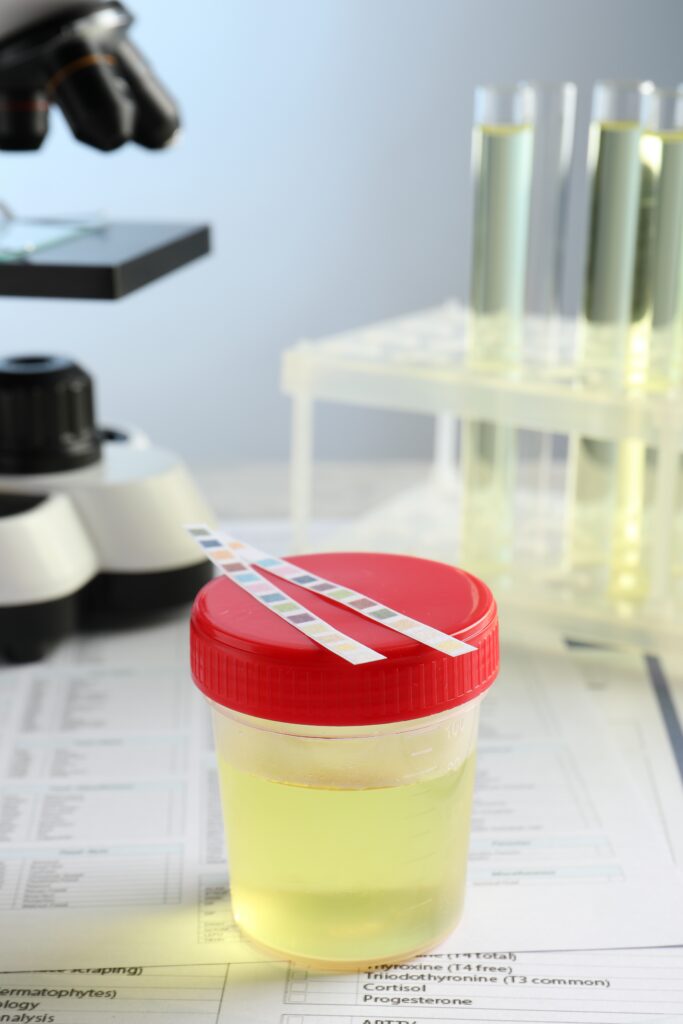
Did You know?
Benzoylecgonine can stay in your urine far longer than the cocaine itself—making it a go-to target for drug tests. Even after the euphoric effects are gone, your body’s chemistry still tells the story.
When figuring out how long cocaine stays in your system, the type of test used makes all the difference. Each method detects cocaine or its metabolites for a different length of time.
One of the most common ways to measure how long cocaine stays in your system is through a urine drug test.
Cocaine is usually gone from the bloodstream fast, but benzoylecgonine remains detectable in urine for much longer.
If you’re wondering how long does cocaine stay in your system in terms of long-term detection, hair follicle testing provides the longest window…
Pro Tip: Hair tests can’t usually detect single or very low doses, but they’re a go-to for tracking long-term drug abuse.

Several key factors can impact how long cocaine stays in your system, including the frequency of use, your metabolism, method of ingestion, and overall health.
These variables are critical in determining how long does cocaine stay in your system and why results vary so widely from person to person.
To truly understand how long does cocaine stay in your system, you need to know what your body turns it into…
Most drug tests don’t actually detect cocaine—they detect these byproducts.
One of the most common concerns people have is whether something else—like medications or foods—can cause a false positive for cocaine. After all, drug tests aren’t perfect, right?
Here’s the truth: once confirmatory testing is done, a positive result for cocaine means cocaine was used.
Some initial immunoassay screens (the kind used in fast drug tests) can occasionally flag a false positive due to chemical similarities between substances. In the past, certain antibiotics or numbing agents like lidocaine raised red flags, but…
Cocaine is the only substance that metabolizes into both benzoylecgonine and ecgonine methyl ester.
No prescription drug, over-the-counter medication, or dietary supplement breaks down into those two specific metabolites. That’s why GC-MS or LC-MS confirmatory testing—standard in most labs—will easily distinguish between real cocaine use and anything else.
If someone tests positive for cocaine after lab confirmation, there’s no alternative explanation. It’s not cold medicine. It’s not antibiotics. It’s not a lab mistake. It’s cocaine.
This makes these tests highly reliable for employers, legal systems, and medical professionals.
When comparing detection times across substances, many people ask: how long does cocaine stay in your system compared to other drugs like marijuana, opioids, or meth?
Here’s the general breakdown:
Cocaine’s detection time is relatively short in the blood, but the metabolites—especially benzoylecgonine—make it stick around longer in urine and hair.
This is why people often fail drug tests days after their last use, even if they’re no longer feeling the effects.
We’ve talked a lot about how long cocaine stays in your system—but how long does its impact last?
These effects usually wear off within 30 minutes to an hour depending on how the drug was taken. But…
People who use cocaine over long periods—especially chronic or heavy users—also face changes in dopamine production, which can make natural pleasures feel dull or unrewarding.
While detox helps remove toxins, it doesn’t instantly eliminate the drug or its metabolites—which means how long does cocaine stay in your system still depends on natural elimination timelines.
Think you can just wait it out? Not so fast.
Cocaine withdrawal can be intense and includes symptoms like:
This makes detoxing without medical support risky, especially for those with underlying mental health disorders or co-occurring substance use problems like opioids or alcohol.
There’s no magic pill, but there are proven ways to overcome cocaine addiction. These include:
CBT helps people understand and change their patterns of thinking and behavior around drug use.
Support systems and peer encouragement play a big role in recovery success.
Monitored by healthcare professionals who help manage symptoms and reduce risk.
If you’ve read this far, you’re already taking a powerful step toward understanding. Maybe it’s for you. Maybe for a loved one. Either way—recovery is absolutely possible.
Let’s talk about what real help looks like.
For individuals with moderate to severe cocaine addiction or co-occurring disorders, inpatient rehab provides:
You live at the facility, which removes you from the triggers and stress of daily life.
Not everyone can press pause on work or family responsibilities. Outpatient treatment offers therapy, counseling, and support groups on a scheduled basis—so you can get clean while staying involved in your day-to-day life.
Outpatient is ideal for:
Most people don’t use cocaine just for fun. It’s often tied to trauma, anxiety, depression, or emotional pain. That’s why therapy matters. Common approaches include:
For those struggling with cocaine or crack addiction, AM Health Care offers evidence-based cocaine addiction treatment tailored to your needs.
Need help figuring out where to start?
📞 Call our helpline at 866-352-6898 or verify your insurance here.
To back our claims, we reference only the best:
Not really. Hydration, sleep, and healthy habits may support metabolism, but there’s no proven way to “flush” cocaine out faster.
Unlikely. Passive exposure doesn’t typically lead to levels high enough for a positive result.
If you’ve used recently and you’re asking yourself how long does cocaine stay in your system, the safest bet is to assume it could be detected for several days—or even longer if you’re a frequent user. The best option? Seek help and focus on recovery, not timing the test.
In theory? Possible. In reality? Highly unlikely. Cocaine contamination in food or drink is extremely rare and wouldn’t produce enough metabolites to cause a true positive result.
Combining cocaine with alcohol produces a toxic byproduct called cocaethylene—which is not only more dangerous to your liver and heart, but also sticks around longer than cocaine alone. This can extend your detection window and increase your risk of overdose or death.
Many products claim to shorten how long cocaine stays in your system, but the reality is that time, hydration, and metabolism play a far bigger role.
Yes. Employers, courts, rehab programs, and even schools can require random or scheduled drug tests, especially if safety or legal compliance is involved.
Here are some red flags:
If any of these sound familiar, it’s time to seek help.
Cocaine may leave the bloodstream quickly, but its effects can last a lifetime—from damage to the heart, liver, and mental health, to fractured relationships and legal trouble.
Whether you’re looking out for yourself or someone you love, understanding cocaine detection times is only the first step. The next? Getting help.
Still wondering how long does cocaine stay in your system or worried about a loved one failing a drug test? AM Health Care can help you understand your options—and take action that lasts.
📞 Call AM Health Care now at 866-352-6898
🔍 Verify your insurance benefits
🌐 Explore treatment options
Knowing how long cocaine stays in your system is important, but it’s only one piece of the puzzle.
If you’re stuck in a cycle of use—or watching someone you love spiral—know that real change is possible. The effects of cocaine don’t have to define your future. With the right support, treatment, and mindset, recovery is not just a possibility—it’s a promise.
Understanding how long does cocaine stay in your system isn’t just about drug testing—it’s a gateway to bigger questions: Why are you using? What’s driving it? And what will it take to break free?
Still unsure how long does cocaine stay in your system, or how to get clean before it takes a deeper toll? Don’t go it alone—reach out for help today.
You’re not alone. Reach out. Take the first step. We’re here to help.